Body & Bath
Syndet vs soap: what your body wash actually is
Soap-based washes run alkaline and strip skin lipids; syndet formulas stay near the skin's own pH — which explains the squeak, and who should pick which.
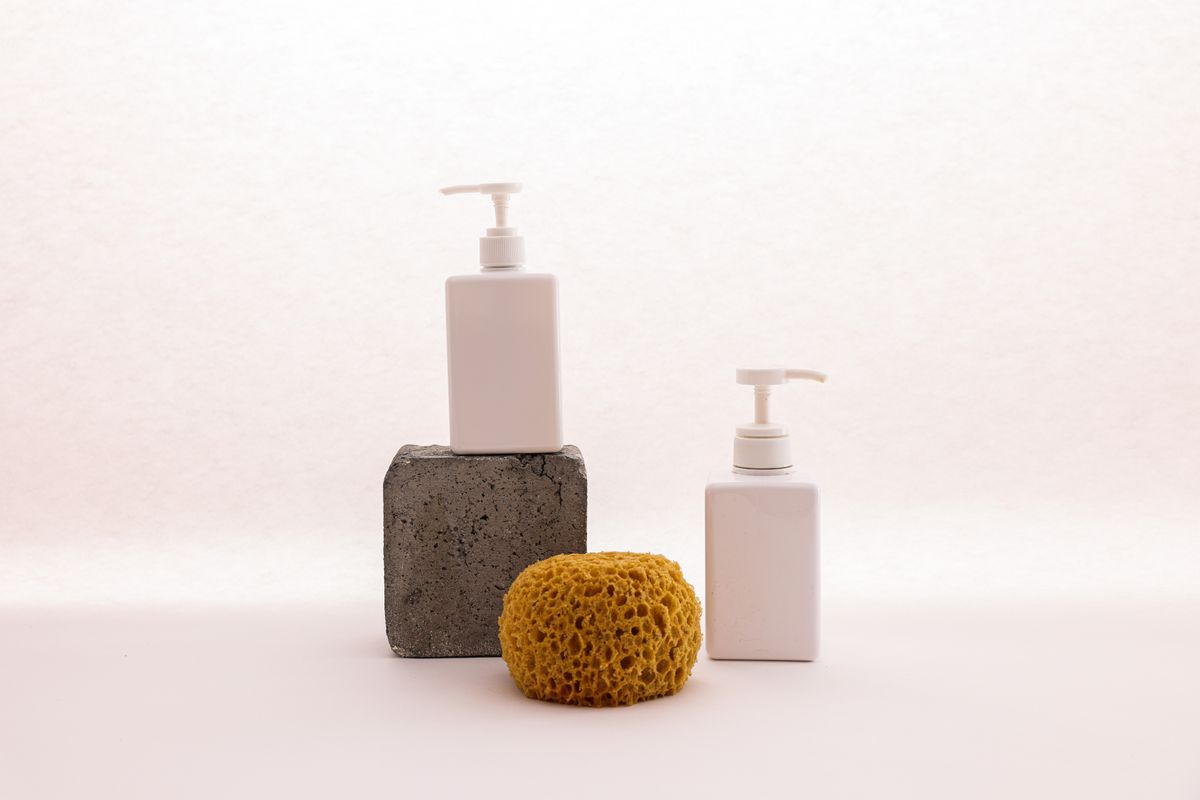
Body wash labels rarely say the useful thing: whether the bottle holds a true soap or a synthetic detergent. The difference is chemistry, not luxury — and it decides how your skin feels ten minutes after the shower.
Soap is a fatty acid salt
Soap is a specific chemical: the salt of a fatty acid, made by treating fats or oils with a strong alkali. That process — saponification — is ancient, effective, and leaves the finished bar alkaline, typically pH 9-10. Skin’s surface, by contrast, sits mildly acidic around pH 5. Washing with an alkaline soap raises the skin’s surface pH temporarily and disturbs the acid mantle, the thin acidic film that helps keep the skin’s microbial residents in check. The pH corrects itself within hours in healthy skin, but the lipids soap removes along the way take longer to replace.
A syndet — short for synthetic detergent — is built from surfactants engineered to sit near neutral pH. That is the entire pitch, and unlike most pitches on the bottle, it is one the chemistry supports.
The squeak is the tell
The “squeaky clean” feeling is the most honest signal in the aisle, just not the way the phrase intends. A tight, stripped, squeaking surface is the sensation of lipids being lifted out of the skin’s outermost layer along with the day’s grime. A syndet wash, holding closer to the skin’s own pH, removes less of that lipid layer, which is why it leaves the softer, blander finish people describe as feeling “like nothing.” Squeak is not a cleanliness report; it is a solvent report.
Who should use which, and the natural soap question
For oily, resilient skin with no history of irritation, a classic soap bar is not a problem — the lipid loss is temporary and the deep-clean feel is preferred by some. For dry skin, eczema-prone skin, or anyone running the winter hot-shower marathon, syndet is the default recommendation; dermatology groups such as the American Academy of Dermatology steer people with eczema toward gentle, non-soap cleansers for exactly this reason.
The “natural soap” label deserves its own skepticism. Handmade, cold-pressed, triple-milled, artisanal — none of those words change the molecule. If the ingredient list shows saponified oils, sodium hydroxide lye, or potassium cocoate, the product is soap: a fatty acid salt with an alkaline pH, whether it costs two dollars or twenty. Price buys the oil blend and the fragrance, not different chemistry.
Read the ingredient list rather than the front of the pack: fatty acid salts mean soap; a longer surfactant list with names like cocamidopropyl betaine or sodium cocoyl isethionate means syndet. The same pH logic applies from the neck up — our guide to cleanser pH covers the facial side — and the body-bath hub collects the rest of what the desk has published.
Frequently asked
- Is syndet body wash better than soap?
- For dry, sensitive or eczema-prone skin, usually yes — syndet cleansers sit near the skin's acidic pH and strip less lipid, so they leave less tightness behind. For oily, resilient skin with no irritation history, a classic soap bar is not harmful; the pH disruption reverses within hours. Judge by what your skin does the morning after.
- Why does my skin feel squeaky after using a soap bar?
- The squeak is the sensation of lipids being lifted out of the skin's outer layer along with dirt, not proof of extra cleanliness. High-pH soap removes more of that lipid layer than a near-neutral syndet wash does. If the squeak comes with tightness or flaking an hour later, that is the lipid loss talking.
- Are expensive natural soaps chemically different from cheap ones?
- No. Whether artisanal or mass-market, a product listing saponified oils, lye or potassium cocoate is soap — a fatty acid salt with an alkaline pH near 9 to 10. A premium price buys the choice of oils, the fragrance and the milling, not different chemistry. Only a synthetic detergent formula genuinely changes the pH question.