Skincare
The order you apply actives in matters less than the wait between them
Labels and dermatology guidance agree more than the internet admits: thin-to-thick beats magic sequences, and the pause between layers does the work.
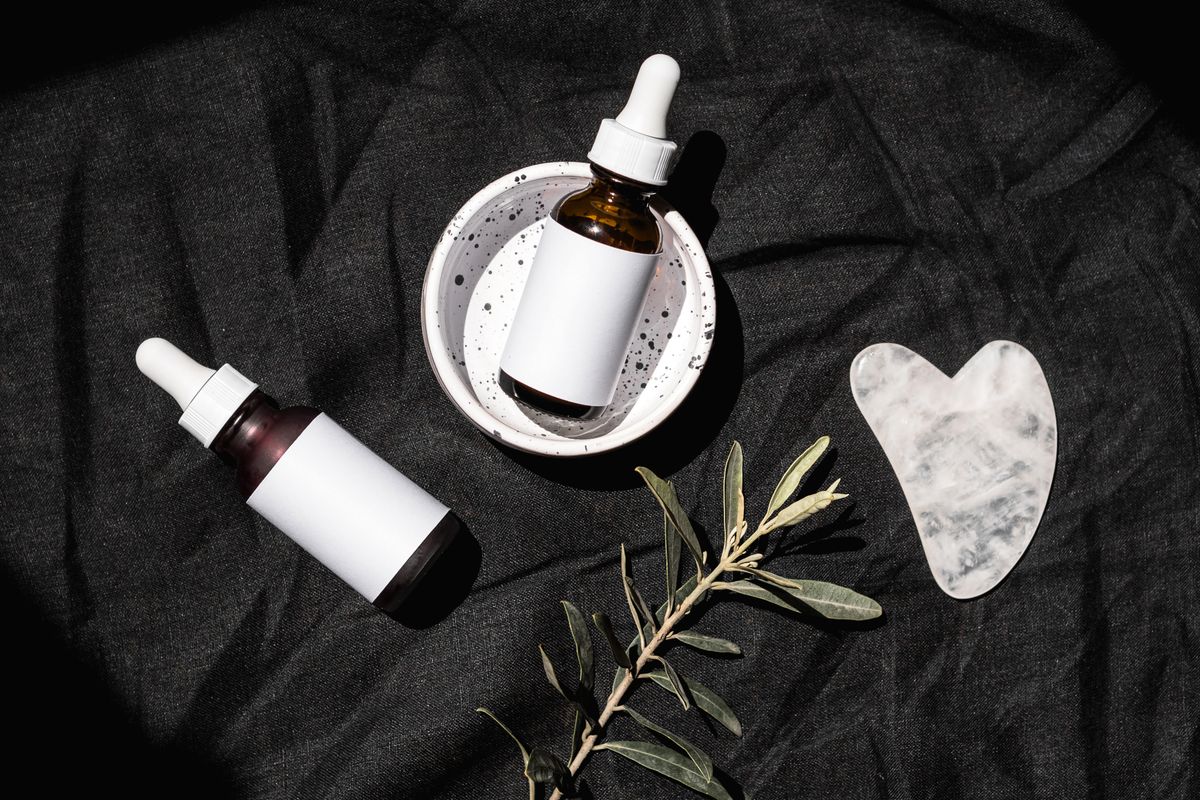
Skincare routines have developed a folklore of ordering rules: vitamin C must come first, niacinamide must wait, hyaluronic acid must land on damp skin or not at all. Some of this traces to real chemistry. A surprising amount traces to forum threads that outlived their evidence.
The published guidance — the usage directions brands print on their own labels, and the application-order notes dermatology groups publish — is more forgiving than the folklore. Read closely, it converges on three principles that cover almost every routine.
Principle one: thin before thick
Nearly every brand that publishes an order (The Ordinary’s regimens pages are the most-cited example, and Paula’s Choice publishes similar guidance) says the same thing: water-based formulas first, oils and heavier creams last. The logic is physical, not mystical. A rich cream sits at the skin surface; anything applied after it has to cross it. Water-light serums under creams penetrate; creams under serums mostly go to waste.
That single rule resolves most ordering questions without any ingredient-specific lore. Cleanser, then water-based treatments, then moisturizer or oil. If two products are both water-based, the order between them matters far less than the folklore claims.
Principle two: the wait does the work
Where brands and dermatology writers do ask for patience, the reason is not absorption magic — it is simply giving the first layer time to set so the second does not immediately dilute or ball it up. Thirty seconds to a minute between layers is the common published suggestion. For low-pH actives (the leave-on acids), the same logic extends: applying the next layer immediately dilutes the acid film across a larger area.
Notice what this is not: it is not the claim that actives “neutralize” each other on contact. The niacinamide-versus-vitamin-C panic of the last decade was based on raw, unformulated ingredients in a hot lab beaker — not on the buffered, stabilized formulas actually sold. Brands that sell both ingredients in one product, or publish routines using both in one routine, exist up and down the market.
Principle three: the label outranks the forum
This is the part of label-reading that saves the most money: usage instructions printed on the jar are the brand’s actual engineering specification, tested with that exact formula. “Use in the evening” on a retinoid, “allow to absorb before moisturizer” on an acid, “shake before use” on a suspension — these instructions are per-product, and they beat any generic sequence published anywhere.
The practical routine that follows from all three principles is unglamorous: cleanse, apply your water-based actives thinnest-first with a short pause between, moisturize last, sunscreen in the morning. If a product’s label says something different, the label wins. It is the one instruction set that was actually written for the bottle in your hand.
Frequently asked
- Can I use niacinamide and vitamin C together?
- Yes. The incompatibility claim comes from studies on raw, unformulated ingredients at high heat — not the buffered, stabilized versions sold in products. Many brands publish routines using both, and several sell them in a single formula.
- How long should I wait between skincare layers?
- Thirty seconds to a minute between water-based layers is the common published suggestion. The point is letting the first layer set so the second doesn't dilute or ball it up — not an absorption threshold.
- Does hyaluronic acid have to go on damp skin?
- It performs best on damp skin because it binds surface water, and some brands state this on the label. It will not damage skin applied dry; it simply works less impressively and can feel tight in very dry air if nothing seals it in.