Body & Bath
Shaving irritation: where it actually comes from
Razor burn and bumps traced to their mechanical causes — blade friction, dry shaving, and hair direction — plus the preparation and aftercare that fix them.
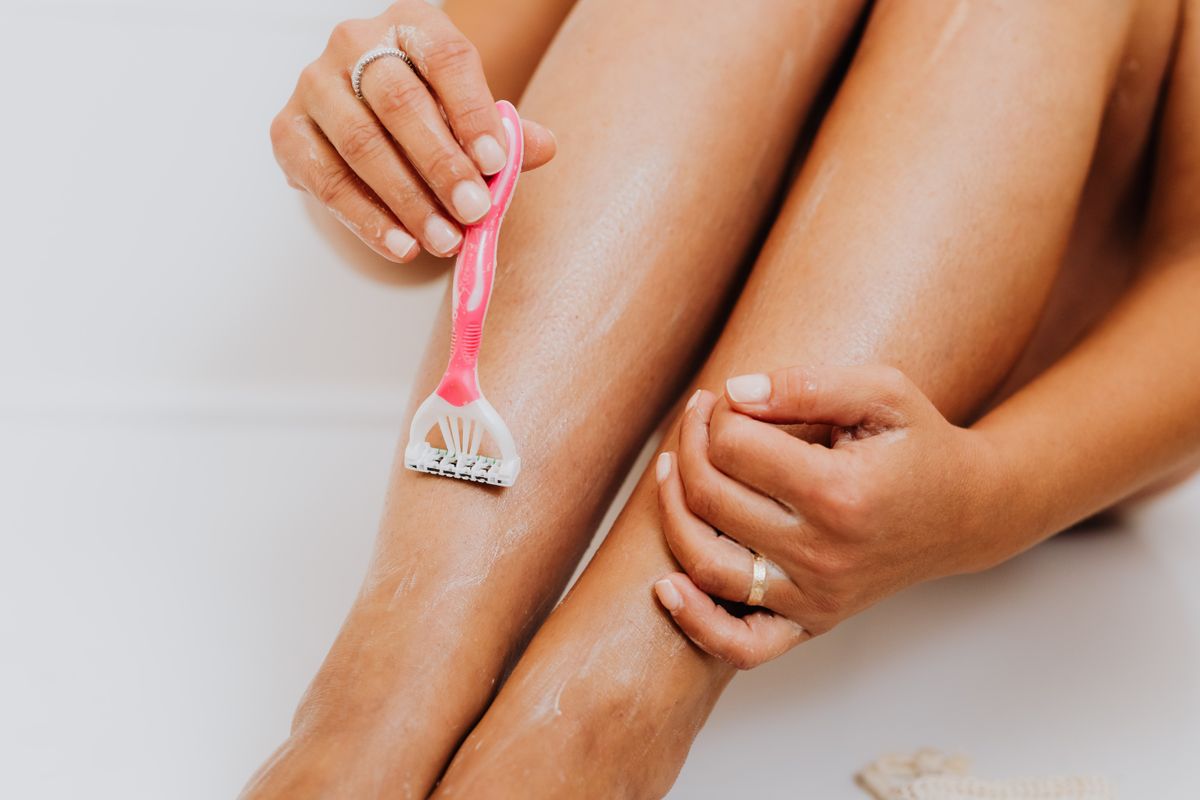
Most shaving irritation is mechanical, which is bad news for the “calming” aisle and good news for anyone willing to change the mechanics. The redness, the sting, and most of the bumps trace to three inputs: how much friction the blade drags across the skin, how much barrier got removed with the pass, and whether the skin was wet enough when the blade arrived. Every one of those is under your control before any product soothing becomes relevant.
Three sources of the sting
First, friction. A dull blade scrapes as much as it cuts, and so does one pressed too hard or left clogged with hair — and that scraping is heat and micro-damage to the skin surface. Second, exfoliation you did not ask for. Every shaving pass removes part of the stratum corneum along with the hair, which is why freshly shaved skin stings when any acid or fragrance lands on it. Third, dry shaving, which stacks both problems: maximum drag on the blade and no water cushion, so the barrier comes out stripped and angry.
Softening the hair does the real work
Hair is keratin, and keratin absorbs water — hydrated hair bends and cuts cleanly, while dry hair resists the blade and pushes back. Published work on hair hydration is blunt about the numbers: cutting force drops substantially once hair has soaked for a few minutes. So the prep that matters is warm water and time — a couple of minutes of contact, not a splash — and then shaving foam left to sit for a minute before the blade. The foam’s job is twofold: keep the hair hydrated while you work, and lubricate the stroke so the blade glides instead of drags.
With the grain or against it
Direction is a tradeoff, and the honest version is this. Against the grain gives the closest cut, but it snips the hair below the skin surface — and a sharp shaft retreating under the skin is exactly what becomes an ingrown in curly or coarse hair. With the grain leaves a faintly rougher result and cuts down on both irritation and ingrowns. A workable middle path for most skin: first pass with the grain, second pass across it, and against it reserved for skin that has shown it can tolerate the close result.
Aftercare and the ingrown problem
Aftercare needs two steps and one subtraction. Rinse with cool water, pat mostly dry, and apply a plain body moisturizer while the skin is still damp — that refills what the pass removed. The subtraction: no acids or scrubs immediately after shaving, because the skin has already been mechanically exfoliated and a chemical pass on top of it is how “smooth” becomes “stinging.” The ingrown problem is prevented at the blade, not after: don’t pull the skin taut (taut skin invites the shaft to retract), keep blades fresh, and give hair a little length to work with if bumps are chronic. Once skin has recovered, the longer-term texture work belongs to the gentler chemical route our body acids guide covers. Fix the mechanics first; the calming aisle can wait.
Frequently asked
- Is shaving against the grain bad for your skin?
- It is a tradeoff, not an error. Against the grain cuts the hair shortest and feels smoothest immediately, but the blade snips the shaft below the skin surface, which raises the odds of ingrown hairs — especially with curly or coarse hair. With the grain leaves slightly more stubble and far fewer bumps. Sensitive and ingrown-prone skin should stay with the grain.
- How often should I replace my razor blade?
- A common guideline is every five to ten shaves, and the honest rule is condition-based: replace the blade when tugging starts, when you need more passes for the same result, or when any rust or debris appears. Dull blades drag instead of cutting, and dragging is precisely the friction that produces razor burn.
- Why do I get red bumps a day or two after shaving?
- Two usual suspects. Folliculitis is irritation or mild infection of the shaved follicle — small red bumps, sometimes with a hair centered inside. Ingrown hairs appear when the cut shaft curls back into the skin. Both trace back to cut height, blade sharpness, and friction, so prevention targets shaving mechanics rather than a soothing product afterward.