Skincare
Slugging is occlusion: petrolatum, lanolin, and mineral oil compared
Slugging works by sealing water in. Petrolatum does that best of the common occlusives — why dry skin loves it and breakout-prone skin should think twice.
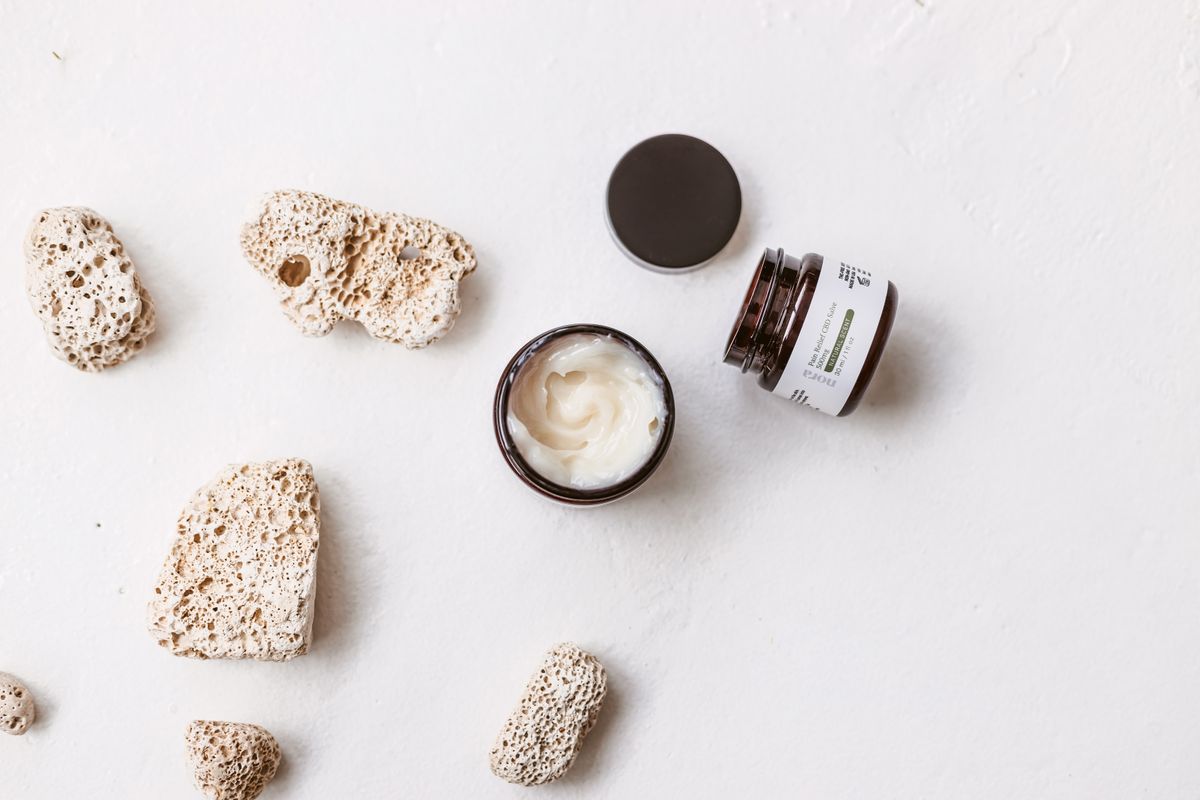
Slugging — a film of ointment smoothed over the whole routine at night — works through one mechanism: occlusion. The film blocks water from leaving the skin, which is why dry, flaky, or barrier-damaged skin wakes up smoother after it. The same mechanism is also why oily and breakout-prone skin often regrets it. Everything else on this page follows from that trade.
The three occlusives, ranked by film
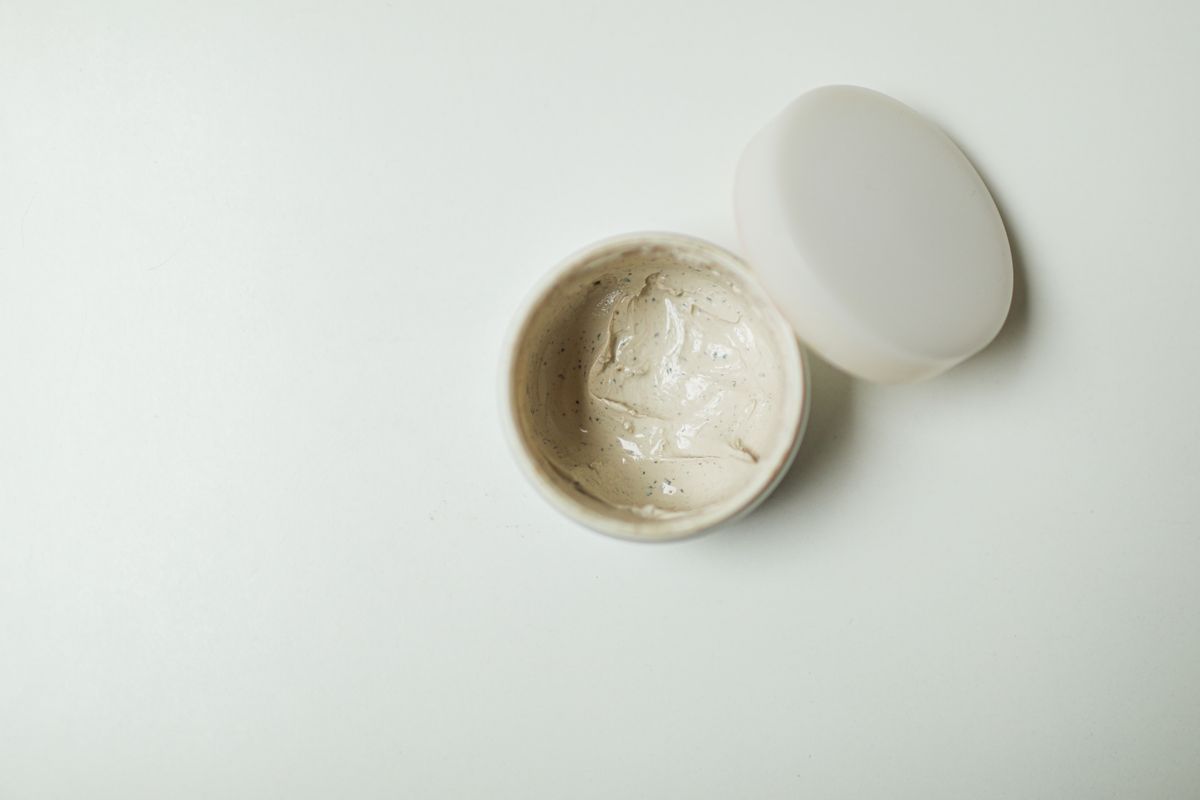
Petrolatum is the benchmark. Published dermatology figures credit it with cutting transepidermal water loss by roughly 98 percent, the highest of any common occlusive, and the American Academy of Dermatology’s slugging guidance is built around it. It is also, counterintuitively, rated among the least comedogenic ingredients on standard testing, because the molecule is too large to enter the pore.
Lanolin comes close on performance. It is a complex mix of esters and fatty alcohols derived from wool, excellent at holding water against the skin, and occasionally responsible for contact allergy — rare, but real enough that it carries its own allergen labeling in the EU. Mineral oil is the third option — highly purified and essentially hypoallergenic, though a weaker occlusive per layer than petrolatum.
That ranking is the label-reading shortcut. The closer a “slugging balm” sits to plain petrolatum in the ingredient list, the better the film usually is; the botanicals further down mostly change texture and scent. Our ceramide barrier creams guide covers the ingredient side.
Who slugging is for, and who should pass
Slugging earns its place on dry skin, flaky patches, and a damaged barrier — the post-retinoid week, the winter heating season, eczema-prone limbs. AAD guidance targets exactly those cases.
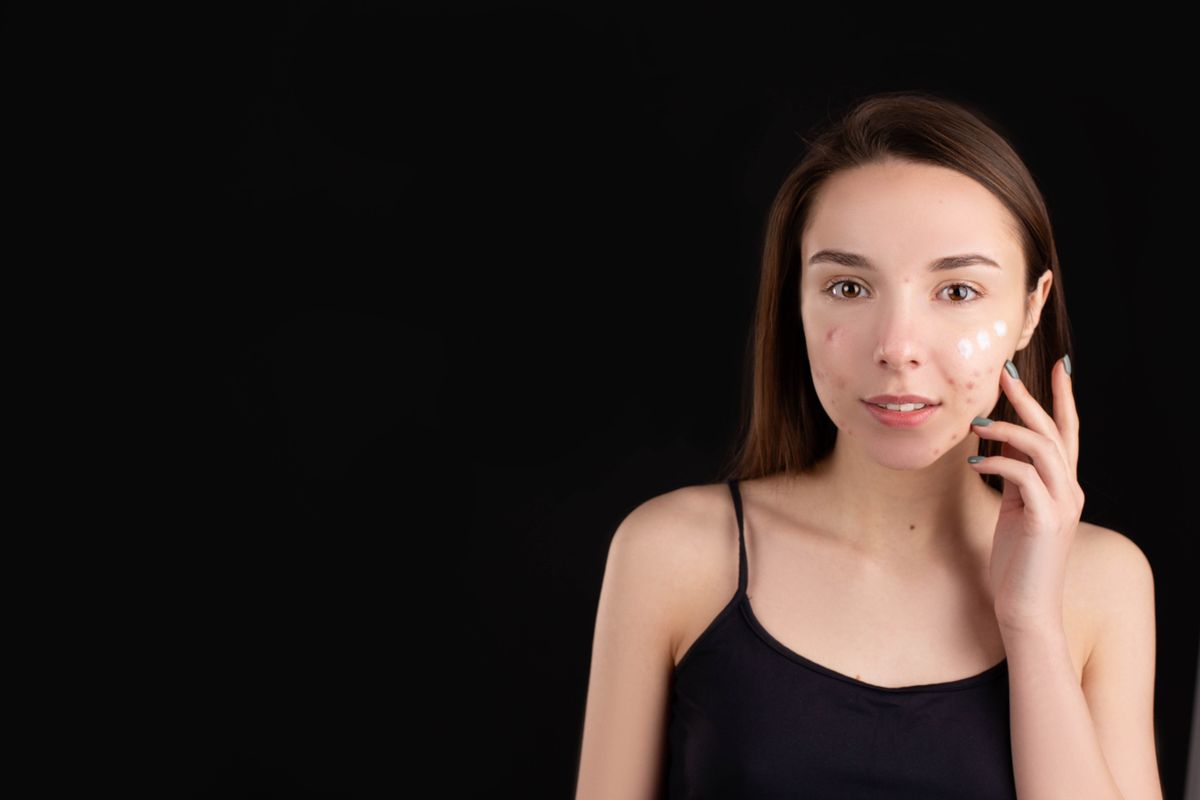
The pass list is longer than the viral posts suggest. Acne-prone skin has no use for an occlusive film that traps sebum and leave-on products against the pore openings overnight. Fungal folliculitis — the yeast overgrowth often called fungal acne — is a separate caution: Malassezia feeds on certain fatty acids and their esters, so rich balms containing either, with lanolin high among them, can feed the problem. Plain petrolatum is a hydrocarbon the yeast cannot digest, but the trapped warmth and moisture still improve its living conditions.
Occlusion also amplifies penetration: the same leave-on acid or retinoid becomes noticeably more irritating under a slug. A middle path exists for the conflicted — spot-slug instead. A pea of ointment on flaky cheeks or a healing blemish mark is where the technique works best with the least fallout.
Timing it with the rest of the routine
Occlusives go last, after every water-based layer. The thin-to-thick layering logic ends with the thickest thing on the shelf, and an ointment is exactly that. Apply the slug to slightly damp skin; the film is far better at holding water in than pulling it in from nothing.
Two timing rules carry most of the value. First, treat slugging nights as retinoid-free or acid-free nights unless a product label explicitly says otherwise — occlusion will amplify irritation, and neither the brand nor the slug warned you. Second, wash it off in the morning. An occlusive film left on under sunscreen and makeup mostly collects the day, and slugging is a night technique by design, not by superstition.
That is the whole method, and it fits in one breath: seal water in, keep the film off breakout-prone skin. For dry and barrier-damaged skin the physics is a gift. For breakout-prone skin, the same physics is the problem — and no amount of trend framing changes either direction. More routine-order questions live in our skincare hub.
Frequently asked
- Is petrolatum comedogenic?
- On standard comedogenicity testing it scores among the lowest, which surprises people. The practical problem is not the molecule entering the pore — it is too large for that — but the film trapping sebum, dead cells, and product residue against breakout-prone skin overnight.
- Can I slug every night?
- Dry skin usually can, especially through winter heating season. Combination and acne-prone skin should treat slugging as an occasional repair technique rather than a nightly habit. If you use prescription retinoids or leave-on acids, keep slugging on separate nights unless your prescribing doctor approves the combination.
- What can I use instead of plain petroleum jelly?
- Any ointment with petrolatum at the top of the ingredient list behaves the same way, and generic white petrolatum is the cheapest option on the shelf. Lanolin balms work but add allergy risk, and hybrid ointments like Aquaphor mix the two. Avoid fragranced lightweight balms — they are the weakest occlusives for the job.