Hair & Fragrance
Sulfate-free shampoo: what changes when you switch, and what doesn't
SLS and SLES wash differently, not worse — the honest list of what changes with a sulfate-free formula, who benefits, and who is paying for nothing.
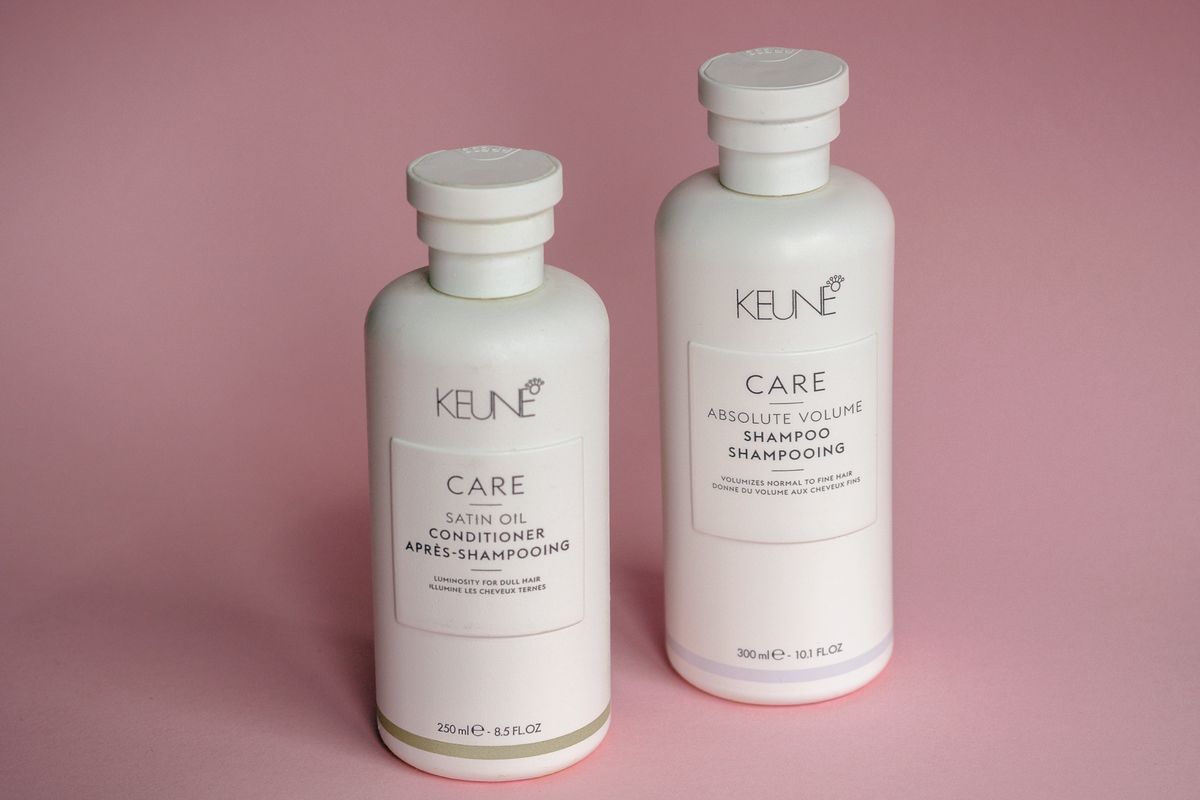
Sulfate-free shampoo is the most successful ingredient story in haircare, and also one of the most oversimplified. The sulfates being avoided — sodium lauryl sulfate (SLS) and its milder cousin sodium laureth sulfate (SLES) — are not toxins; they are aggressive anionic surfactants, extremely good at degreasing and at generating the dense lather shoppers learned to read as “clean.” Deciding whether to switch means separating the chemistry from the marketing.
What actually changes
The first thing you notice is the foam. The surfactants that replace sulfates — coco-glucoside, sodium cocoyl isethionate, sodium cocoyl glutamate, cocamidopropyl betaine — are weaker foaming agents, so the wash feels less like a lather commercial and more like a lotion with slip. The second thing is the after-feel: no squeak. That squeak is the sound of stripped hair, but it reads as “not clean” at first, and some sulfate-free formulas compensate with conditioning agents that leave a soft residue. Neither effect means the shampoo cleans worse; it cleans differently, leaving more of the cuticle’s own lipids in place.
What doesn’t change
The cleaning trade-off is real but smaller than the shelf implies. A gentle surfactant at a high enough concentration removes sebum, sweat and product perfectly well — cleansing power is a formulation question, not a single-ingredient verdict. What a sulfate-free label does not buy: repair, growth, scalp treatment, or automatic moisturizing. A poorly built sulfate-free shampoo can still be drying if its conditioning phase is thin, and sulfate-free washing does not extend the life of silicone-heavy styling films. Buildup from heat-protectant and serum layers still needs an occasional clarifying wash, whichever badge the bottle wears.
Who genuinely benefits
Three groups have the clearest case. Colored hair: strong anionic surfactants fade dye faster, and gentler washing measurably extends tone. Curly and coily hair, which is structurally prone to dryness because scalp oils travel down the strand poorly — the curly-hair side of our hair guide starts with wash choice for this reason. And dry, itchy or reactive scalps, where reducing the degreasing load often calms things on its own. If you have an oily scalp, short hair and no color, the honest answer is that a sulfate-free bottle buys you preference, not outcome.
Switching without the adjustment misery
Give the swap two weeks, because the sensation gap is real: wash in two rounds if lather anxiety strikes, and judge results by how hair behaves on day two, not how the shower felt. If residue becomes the complaint, the fix is a clarifying wash, not reverting. Our heat-protectant guide covers the other half of that buildup equation.
Sulfate-free is a legitimate tool for colored, curly and dry hair, and a neutral preference everywhere else. The label describes the surfactant, not the shampoo.
Frequently asked
- Are sulfates actually bad for hair?
- Not inherently. Sodium lauryl sulfate is an effective, well-studied cleanser; the documented downsides are stronger stripping of oils and faster color fade, plus irritation potential that is mostly a formulation matter — concentration and rinse-off time matter more than the ingredient name. Damaged, dry, curly or freshly colored hair has the most to gain from gentler systems.
- Why does my sulfate-free shampoo not lather?
- Gentler surfactants — the glutamates, glucosides, isethionates and betaines that replace SLS — are weaker foaming agents by chemistry, not by design flaw. Foam is air, not cleaning. If the lack of lather makes you under-wash, work the shampoo into wet hair in two rounds; the second pass foams more because the first removed the surface oil.
- Is sulfate-free better for colored hair?
- Usually, yes. Strong anionic surfactants lift cuticle and strip dye molecules faster, and color-fade comparisons consistently show gentler systems preserving tone longer. A sulfate-free wash paired with cool water is the cheapest color-preservation step there is — cheaper than any gloss treatment that repairs the fading afterward.