Skincare
The winter barrier routine is mostly a frequency problem
Heated rooms pull moisture out of skin through low humidity. What to downshift in winter, what to add, and why hot water matters more in cold months.
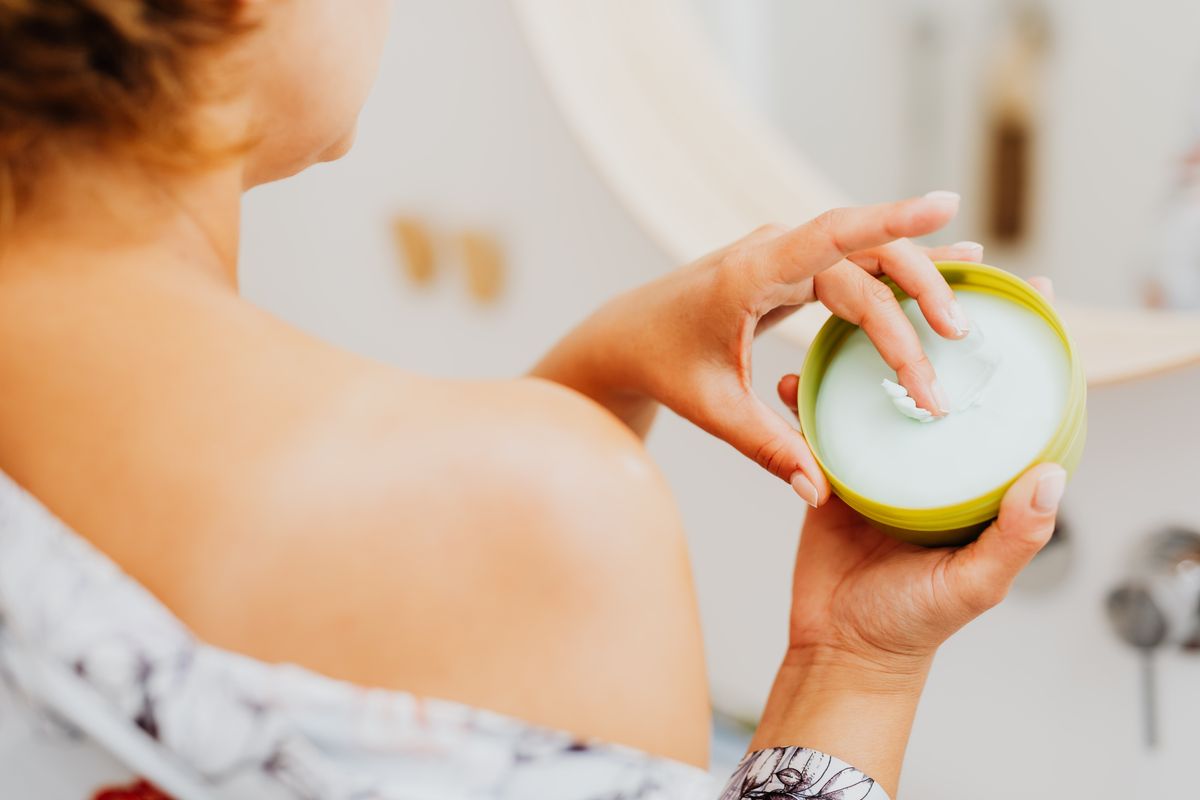
Cold-weather skin problems get blamed on cold weather. The bigger factor is indoors: heated air holds little moisture, and skin spends its winter days and nights inside it. A winter routine is less a set of new products than the same routine with its dials moved — some actives turned down, some sealing steps turned up.
Dry air and the water you lose
Transepidermal water loss — the steady outward diffusion of water through the skin — rises when the air around it is dry. Published dermatology guidance has long linked low-humidity environments, indoor heating included, to increased water loss and the tight, flaky state that follows. Heating a room to 68-72°F (20-22°C) adds nothing to the moisture content of the air; relative humidity simply falls, because warm air can hold more water than cold.
Hot water amplifies all of it. A hot wash removes surface lipids along with grime, and stripped skin loses water faster in already-dry air. In winter, the same shower that felt harmless in July extracts a longer toll — which is why lukewarm water, short washes, and a non-stripping cleanser show up in every published winter-skin recommendation, and why our guide to cleanser pH is worth a winter read.
What to turn down
The actives that deserve respect in summer deserve more in winter. Leave-on acids and retinoids both increase sensitivity to the environment, and dry, barrier-stressed skin is the environment they struggle against. The standard published suggestion is frequency, not elimination: three acid nights a week becomes one, and nightly retinoid use becomes every other night. Any stinging or visible flaking is a signal to drop another step.
Timing helps too. Applying a retinoid onto fully dry skin, then following promptly with moisturizer, blunts the irritation that dry air alone would produce. Nothing here is permanent. The goal is carrying the barrier through February, not retiring the ingredients — spring reverses the schedule on its own.
What to turn up
The additions are less glamorous: more sealing. A ceramide-containing moisturizer earns its slot here — the ingredient class the label emphasizes is the one published work ties to barrier repair, as our ceramides guide covers — and an occlusive layer at night on top of it is the cheapest upgrade available. Petrolatum is the reference point, and our guide to occlusives covers the options and the acne-prone caveats.
During the day, moisturizer goes on before sunscreen, and hand cream earns a reapplication or two, since hands live in the same dry air and get washed more often than the face does. The pattern is consistent: in summer the routine protects skin from the sun; in winter it protects water from the air.
The winter routine, reduced to one line: strip less, seal more, and space the actives further apart — and the bottles can stay exactly as they are.
Frequently asked
- Should I stop using retinol in winter?
- Most dermatology guidance says reduce rather than stop. Cold months raise irritation risk because heated indoor air dries the barrier, so the usual move is lower frequency — every third night instead of nightly — with moisturizer applied promptly after. If skin stays comfortable, there is no seasonal reason to quit an established retinoid.
- Is slugging good for winter skin?
- It is the most direct version of the sealing step winter asks for. A thin petrolatum layer over your last product at night slows water loss while you sleep, which is exactly what dry heated air works against. Acne-prone skin should keep it off breakout zones or skip it; the technique is otherwise low-risk.
- Does drinking water fix dry winter skin?
- Hydration from inside matters for overall health, but published research has not shown that extra water intake meaningfully changes skin dryness in people who are already hydrated. Winter dryness is driven by water leaving through the surface into dry air, which is why topical sealing and humidity management outperform the eighth glass of the day.