Skincare
Squalene and squalane: one hydrogenation step apart
Squalene is the unsaturated lipid your skin makes; squalane is its hydrogenated, shelf-stable twin. Why the -ane dominates, and what sourcing labels hide.
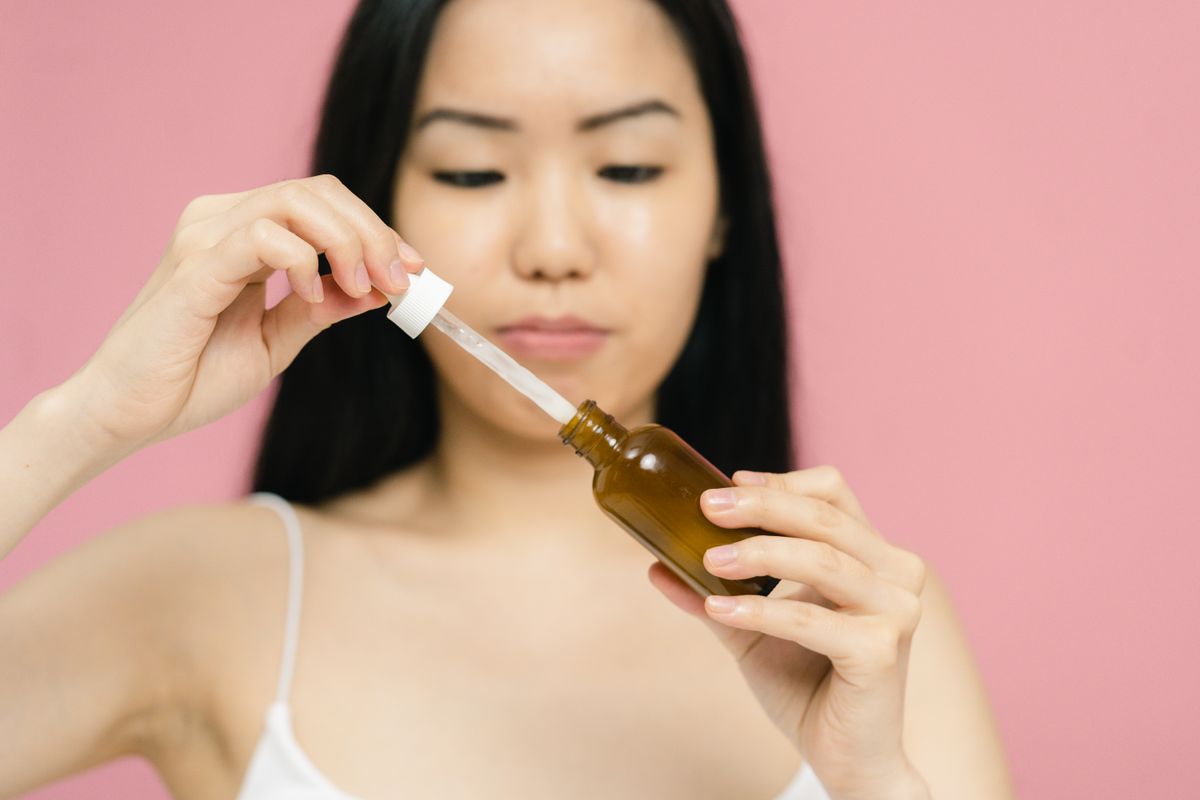
Two ingredients share nearly a name and most of a molecule. Squalene is the unsaturated lipid your own skin produces; squalane is the same molecule with its double bonds hydrogenated away. That one chemical step explains why every stable facial oil on the shelf reads squalane and almost nothing reads squalene — and it is also where the industry’s quiet sourcing debate lives.
If you are browsing the skincare aisle for a light oil, the distinction is worth two minutes.
The unsaturated original
Squalene is not an exotic import; it is part of you. Published skin-chemistry work has long identified it as one of the major lipids in human sebum — roughly a tenth of what the skin’s surface secretes, by most counts. The molecule is built from repeating isoprene units. Those carry several carbon-carbon double bonds, which is what chemists mean by unsaturated.
Those double bonds are also its flaw, at least inside a bottle. Unsaturation reacts readily with oxygen in the air, so squalene oxidizes: it darkens, and it develops the rancid note familiar from old plant oils. On your skin, where it is naturally present and continually renewed, this is normal turnover. In a product, it means a short, unreliable shelf life that no brand wants to sell around.
Why the -ane won
Hydrogenation solves the problem by adding hydrogen across those double bonds until none remain. The result, squalane, is a saturated, fully stable emollient. It sits in a bottle for years without changing, colorless and nearly odorless. The step costs a little in processing and changes almost nothing in how the oil feels on skin, which is why squalane became the default.
This is also why the shelf is uniform. A product sold as squalene would be fighting oxidation from the day it was filled. Brands settled on the stable twin decades ago, and the INCI name on nearly every squalane serum is the hydrogenated one.
Functionally the two behave alike as emollients; practically, only one survives retail.
Sourcing, and what the label will not tell you
The sustainability question is about where the molecule starts, not what it is called. Historically, cosmetic squalene came from shark liver, and deep-sea shark fishing for squalene still exists. Today the cosmetic mainstream runs on plant sources: olives and, increasingly, sugarcane via fermentation, with several brands making plant-derived claims the center of their squalane marketing.
What a label cannot settle is origin. The INCI name is just Squalane either way; origin statements live in brand sustainability pages and third-party certifications, which are self-reported or audited to varying degrees. If sourcing matters to you, the published brand statement is currently the only tool you have — shark-derived squalane remains legal in the US market.
None of this changes how to use the oil. Squalane sits comfortably in the thin-to-thick order described in our layering guide, usually applied after water-based products; for how a true sealing layer differs, see our guide to occlusives. The interesting part was never the application. It was the letter.
Frequently asked
- Is squalane good for acne-prone skin?
- Squalane is generally considered one of the lower-risk oils for acne-prone skin because it is very light and scores well in published comedogenicity testing. That is a population statement, not a personal guarantee — some people still break out from any oil. Introduce it alone so a reaction has an obvious cause.
- Is sugarcane-derived squalane better than olive-derived?
- Functionally, the finished molecule is identical; the sources differ in footprint and processing. Olive-derived squalane was the plant standard for years, and sugarcane fermentation arrived claiming higher yields with less land and water use. Both claims are brand-published to varying degrees, so compare sourcing statements, not ingredient names.
- Can I use squalane every day?
- Yes. It is stable, gentle, and has no known reactivity with other common skincare ingredients, so daily use — morning, night, or both — is routine for most people. The realistic limit is texture: on oilier skin, daily full-face application can feel heavy, and a few drops at night is the common compromise.