Body & Bath
Body sunscreen vs. face sunscreen: same standards, different texture
SPF and UVA testing are identical for both, so the split is texture and money: face formulas buy elegance, body formulas buy volume. Where each belongs.
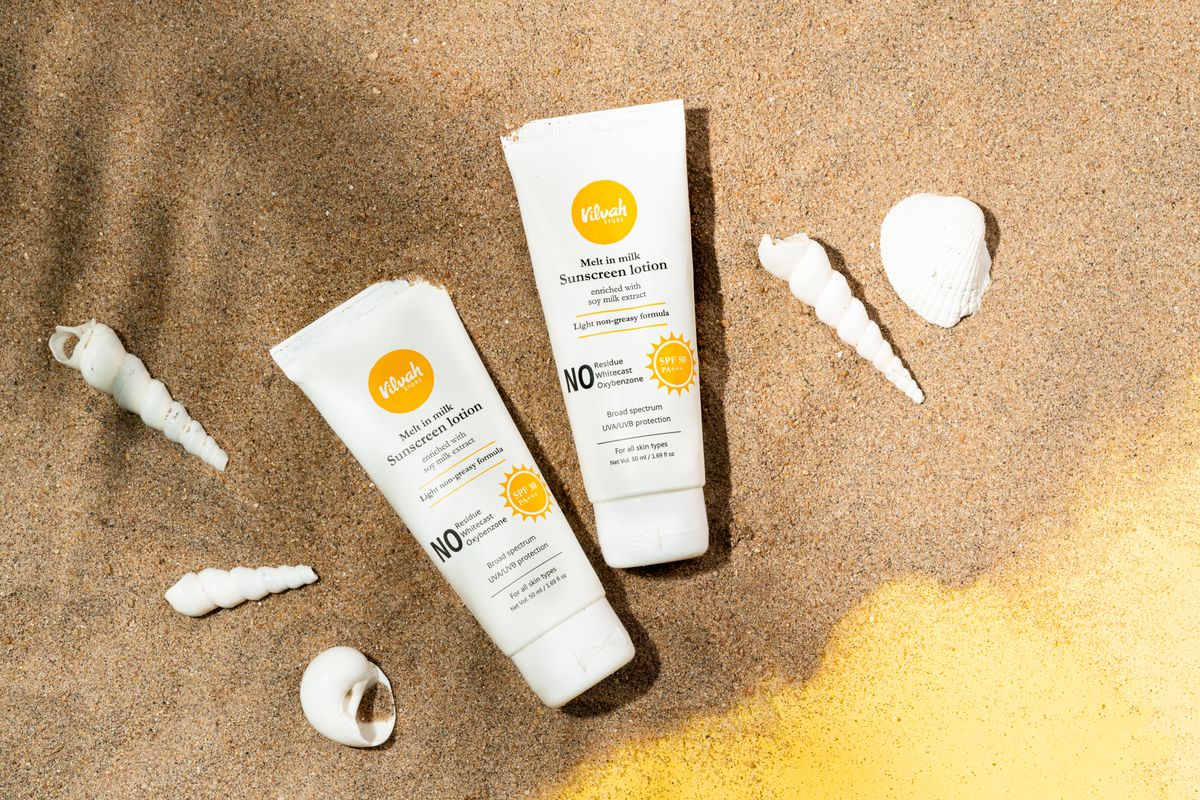
The two category shelves suggest two different chemistries. There is one. Sunscreen labeled for the body and sunscreen labeled for the face pass through the same SPF testing and, for broad-spectrum claims, the same UVA standards in the US market. The separation is real, but it lives in texture, finish, and price per ounce — not in the protection itself.
The standards are identical
An SPF 30 body lotion and an SPF 30 face fluid have both been tested the same way, against the same benchmark, and the broad-spectrum claim means the same thing on both tubes. Nothing in the testing distinguishes the face from the arm. A shopper who buys only a body lotion is, on paper, fully protected from the neck up.
So the split is not safety. It is engineering intent: what the formula optimizes for after the filter system is chosen.
One testing standard, two budgets
Face lines spend their budget on elegance — fast absorption and oil control in finishes that sit well under whatever goes on top. That is why a facial fluid disappears in seconds and layers under foundation without pilling. Body lines spend their budget on volume: bigger bottles, lower cost per ounce, and a texture built to coat arms and legs quickly, which usually means heavier and slower to set.
Neither priority is vanity. Daily facial sunscreen only works if reapplication happens, and reapplication only happens if the product feels acceptable at two in the afternoon. Coverage over the whole body only works if the bottle is big enough that nobody rations it.
The math of the dose
Published guidance from the American Academy of Dermatology works out to about one fl oz (29.57 ml) of sunscreen for a full adult body — the shot-glass rule. The face alone takes a two-finger length of product per application. Over a summer of two-hour reapplication, the body burns through bottles at a rate the face never approaches, and cost per fl oz decides whether that volume gets applied generously or hoarded.
This is the strongest argument for keeping body product on the body: a face fluid at specialty-retail prices poured over shoulders is the expensive way to buy the same SPF. The reverse trade — body lotion on the face daily — is where the savings turn into complaints.
When the swap backfires
Daily body sunscreen on the face trades down in the wrong direction. The heavier occlusive feel reads as grease by midday, fragrance that goes unnoticed on a limb can irritate facial skin, and the shine ruins the makeup-compatibility work the face line exists to provide. Occasional use on a beach day costs little; a daily habit built on it usually collapses.
The reasonable setup: one bottle sized for the body and chosen for price, one product for the face chosen for feel, matched to skin type. The guide to mineral versus chemical sunscreens covers that choice, and the everyday-indoors guide explains why the face product gets used all year. The part most routines skip is reapplication — that guide covers it. Price funds the gallons; feel buys the habit.
Frequently asked
- Can I use body sunscreen on my face occasionally?
- Yes, in a pinch the protection is real — the SPF rating means the same thing regardless of the label. The cost is comfort: body formulas tend to feel heavier, may contain fragrance, and are more likely to feel greasy or look shiny on facial skin. Occasional beach use is fine; daily use invites complaints the face line was designed to avoid.
- How much sunscreen does the whole body actually need?
- The American Academy of Dermatology's guidance works out to roughly one ounce — about a shot glass, or close to 30 ml — for a full adult body in a swimsuit, applied to dry skin and repeated every two hours outdoors. Most people apply well under that, which is the real reason labeled SPF and actual protection diverge.
- Is expensive face sunscreen a waste of money?
- No, because of where it gets used. The face needs a small daily dose, reapplication is realistic only if the product feels good, and formulas that sit well under makeup get used at all. A product used properly every day at $30 beats a superior-rated one abandoned in a drawer after a week.